Start With the Listing Strategy, Not Just the Camera
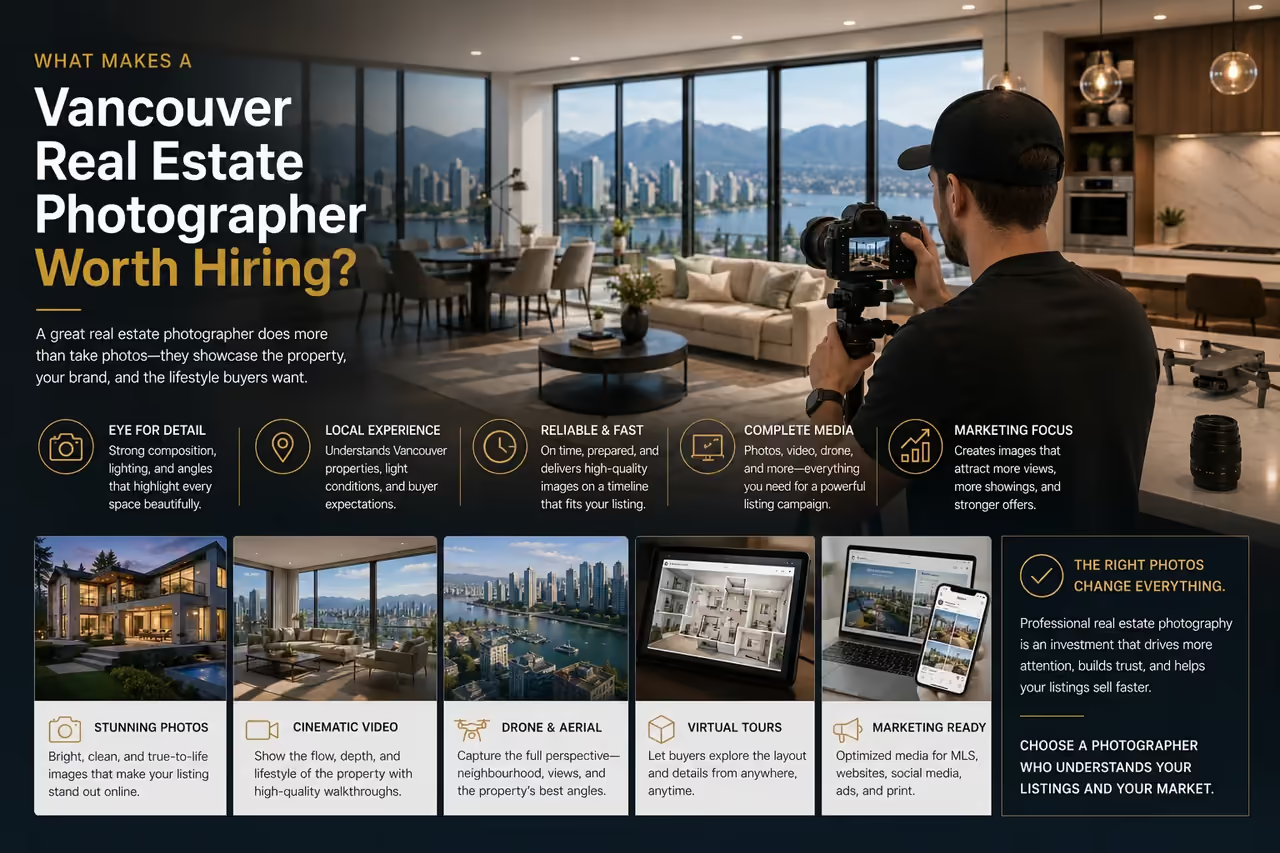
Choosing a real estate photographer is not only a creative decision. For Vancouver realtors and brokerages, it is a marketing decision.
The photographer you choose affects how the listing appears on MLS, how buyers understand the property online, how sellers judge the quality of the campaign, and how your own brand is perceived. A strong photographer does more than take clean images. They help make the property easier to evaluate, easier to remember, and easier to promote across digital channels.
This matters because buyers often see the listing online before they decide whether to book a showing. The photo gallery becomes one of the first filters. If the images are dark, distorted, inconsistent, or poorly sequenced, the property can lose attention before the buyer understands its value.
The right Vancouver real estate photographer should understand more than exposure and editing. They should understand property flow, room composition, lighting, buyer behaviour, listing timelines, and how photography supports the full marketing campaign.
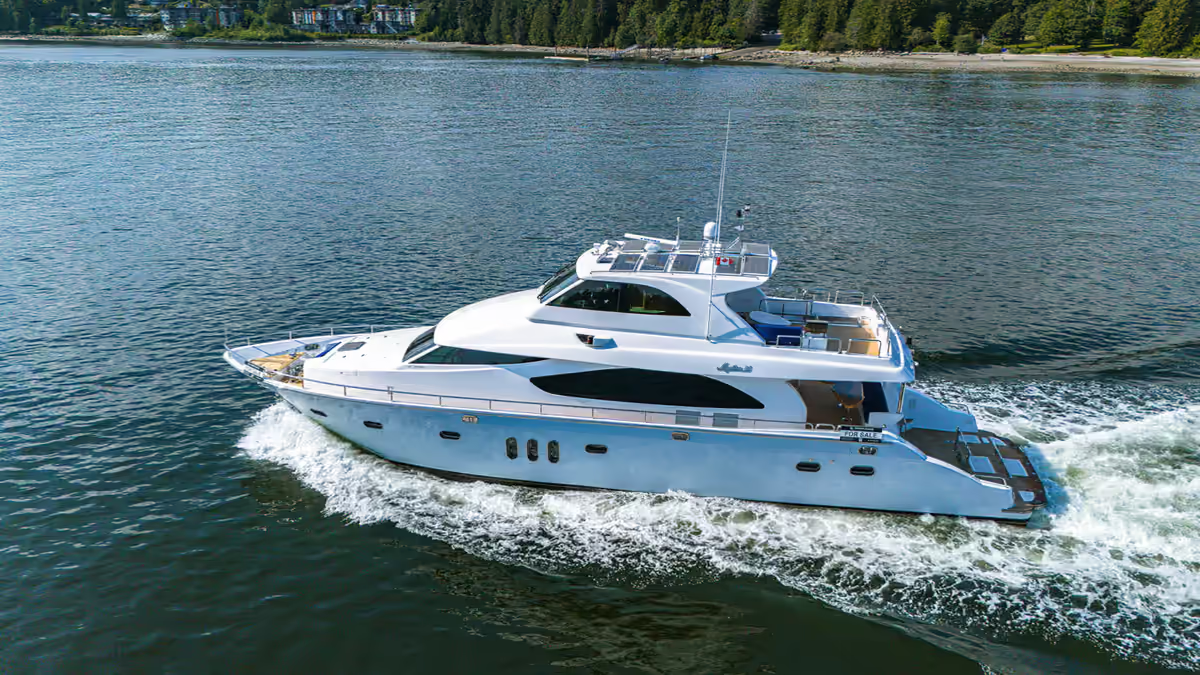
For many listings, photography is also only one part of the media package. The same campaign may need videography, vertical social clips, aerial content, floorplans, Matterport, or campaign-ready visuals for ads and email. Choosing the right partner means choosing someone who can support the listing beyond a basic gallery.
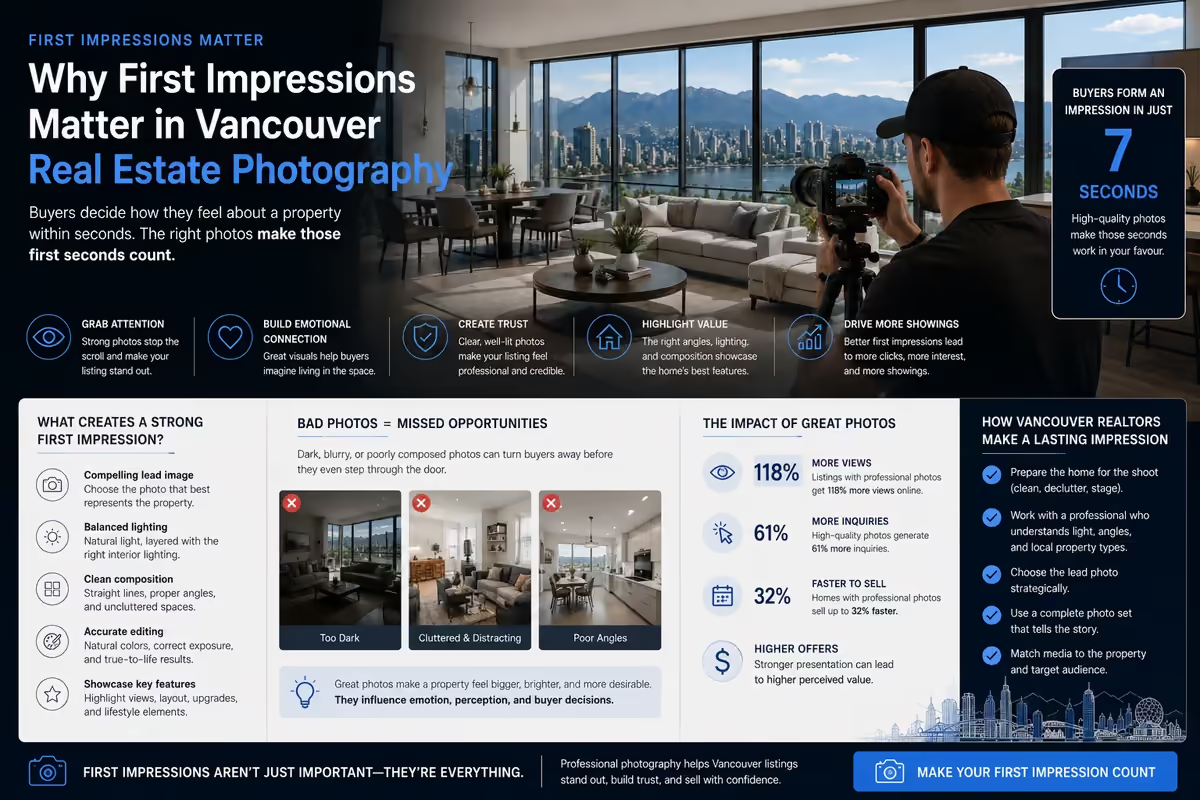
Why Real Estate Photography Still Carries the First Impression
Real estate photography matters because listing photos are often the first meaningful contact between a buyer and a property.
A buyer may scroll through dozens of Vancouver listings in one session. They may not read every description. They may not watch every video immediately. But they will usually see the lead image and scan the photo gallery.
Strong photography helps answer the buyer’s first questions:
- Is the home bright?
- Does the layout look functional?
- Are the finishes presented clearly?
- Does the property feel clean and well maintained?
- Is the outdoor space useful?
- Does the home match the price point?
- Is this listing worth a showing?
Professional photography does not guarantee stronger results. Pricing, timing, location, market activity, and property condition still matter. But photography can improve how clearly the listing communicates online.
For Vancouver realtors, this also affects seller perception. Sellers want to know that their home will be presented with care. When an agent consistently uses high-quality listing photography, it becomes visible proof of their marketing standard.
What a Strong Real Estate Photographer Should Deliver
A good real estate photographer should deliver more than attractive images. The final gallery should help buyers understand the property.
That means the photographer should be able to capture:
- Clear exterior images
- Bright, balanced interior photography
- Logical room sequencing
- Straight vertical lines
- Accurate colour and exposure
- Strong lead image options
- Detail shots where they add value
- Outdoor space and view context
- Images formatted for listing platforms and web use
- Consistent editing across the full gallery
The photography should feel polished without making the property look unrealistic. Buyers should not feel misled when they arrive in person. The best listing images improve clarity and presentation while preserving trust.
For agents, the final deliverables should also be easy to use. Images should be organized, properly exported, and delivered in a format that supports MLS, websites, social media, email, and listing presentations.
Review the Portfolio for Fit, Not Just Quality
A photographer’s portfolio should be the first serious checkpoint, but it should be reviewed with the right criteria.
Do not only ask, “Are these photos nice?” Ask whether the photographer’s work fits the type of properties you list.
A strong portfolio should show consistency across different property types. Vancouver real estate includes condos, townhomes, detached homes, luxury homes, renovated character properties, new developments, and view properties. Each one needs a different visual approach.
When reviewing a portfolio, look for:
- Clean lighting in different conditions
- Straight architectural lines
- Balanced compositions
- Natural-looking edits
- Clear room flow
- Exterior and interior quality
- Strong handling of views and windows
- Ability to photograph small spaces without heavy distortion
- Consistent style across the full gallery
- Images that feel useful, not just dramatic
Be cautious if every image looks heavily edited, overly wide, or visually exaggerated. A listing photographer should make the property look professional, not artificial.
Also look beyond the best few images. A portfolio can show strong hero shots while hiding weaker full-gallery consistency. Ask to see a complete listing gallery when possible.
Look for Experience With Vancouver Property Types
A photographer who understands Vancouver property types can usually work more efficiently and produce more useful images.
Vancouver listings often include specific challenges:
- Smaller condo layouts
- Narrow townhomes
- Basement suites
- Mixed natural and artificial light
- Rainy or overcast weather
- Mountain, city, or water views
- Dense urban surroundings
- Shared building amenities
- Tight parking or access conditions
- Outdoor spaces that need careful timing
A photographer with relevant experience will know how to handle these situations without losing the property’s strongest features.
For example, a compact condo needs careful composition so the space feels understandable without looking exaggerated. A view property needs window exposure handled properly. A luxury home may need slower, more editorial photography. A family home may need images that explain flow, storage, yard space, and practical usability.
The right photographer should adapt to the listing. They should not shoot every property with the same formula.
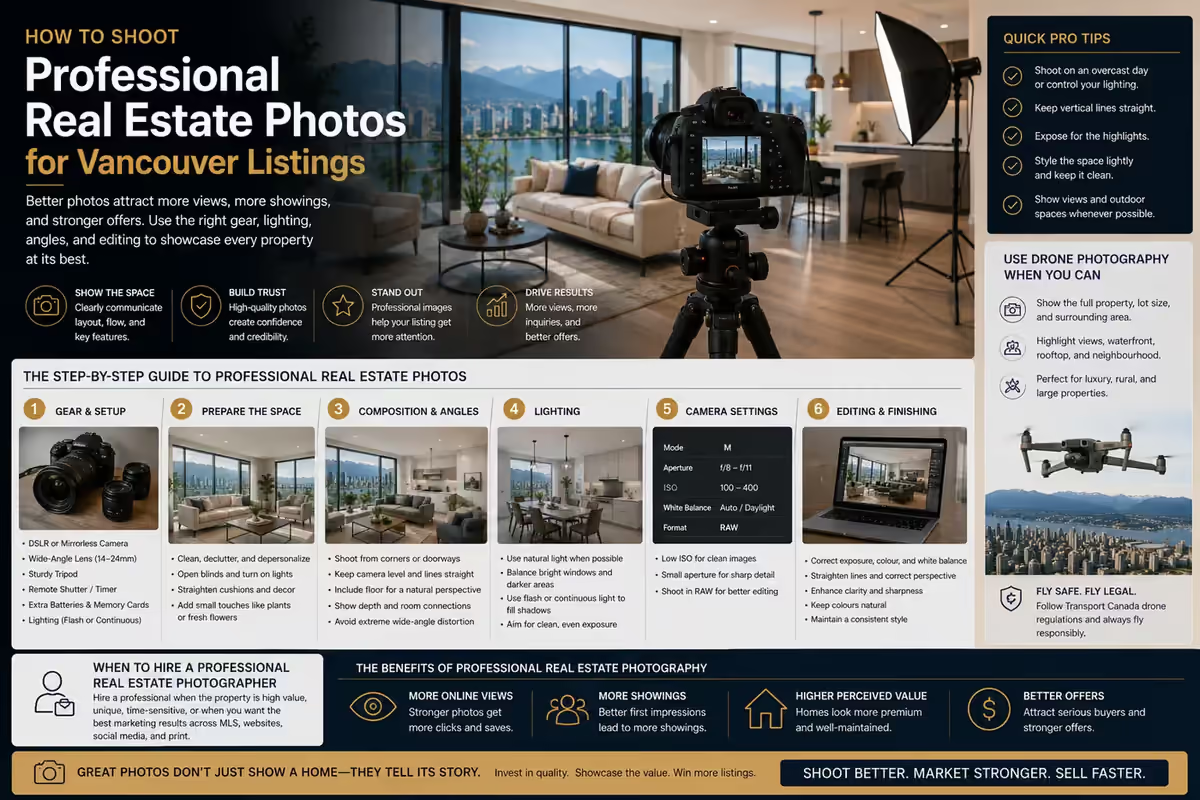
Evaluate Their Approach to Lighting and Composition
Lighting and composition are where many real estate photos succeed or fail.
A strong photographer should understand how to manage natural light, window exposure, interior lighting, mixed colour temperatures, shadows, and dark rooms. They should also know how to compose images so rooms feel clear, balanced, and accurate.
Ask yourself whether their work shows:
- Clean vertical lines
- Good camera height
- Bright but natural interiors
- Windows and views handled well
- Minimal wide-angle distortion
- Clear room purpose
- Balanced light across the frame
- Consistent editing style
- Strong lead image options
These details may seem technical, but they directly affect buyer perception.
Poor composition can make a room feel smaller or confusing. Poor lighting can hide finishes, weaken views, or make a home feel less maintained. Strong lighting and composition make the listing easier to understand.
For Vancouver realtors, this matters because many properties rely on visual strengths such as natural light, views, renovations, architecture, or outdoor space. The photographer needs to know how to capture those advantages properly.
Decide Whether You Need Photography Only or a Media Partner
Some listings only need photography. Others need a broader media package.
Before choosing a photographer, consider whether the listing may also need:
- Videography
- Vertical social media clips
- Aerial production
- Matterport or 360° tours
- 2D floorplans
- 3D models
- Twilight photography
- Branded and unbranded versions
- Website-ready visuals
- Paid ad creative
- Open house content
If your listings often require more than basic photos, it may be more efficient to work with a real estate media partner instead of hiring separate vendors for every deliverable.
This helps with consistency. The photography, video, aerials, and social content can follow the same visual direction. It can also simplify scheduling and reduce coordination issues.
For agents with active listing volume, this can become a major operational advantage. A reliable media partner can help the agent create a repeatable system instead of rebuilding the process for every listing.
Turnaround Time Is a Marketing Issue
Turnaround time is not just an administrative detail. It affects the listing launch.
Real estate timelines move quickly. If photos arrive late, the listing description, MLS upload, social content, email campaign, and open house promotion can all be delayed.
A good photographer should have clear turnaround expectations. They should also communicate if the timeline changes.
Before booking, ask:
- When will the final images be delivered?
- Are rush options available?
- How are files delivered?
- Will images be organized clearly?
- Are both web and high-resolution versions included?
- Can they support weekend or tight listing timelines?
- How much notice do they need for scheduling?
Fast delivery is useful, but speed should not come at the cost of quality. The best partner balances turnaround with consistent editing and professional output.
For Vancouver brokerages and teams, turnaround consistency can be especially important because multiple listings may need to launch in the same week.
Communication Can Protect the Entire Shoot
A photographer’s communication style can make or break the production process.
Real estate shoots involve timing, access, parking, seller coordination, staging, pets, weather, building rules, strata access, lighting, and sometimes multiple media deliverables. If communication is unclear, small problems can delay the shoot or weaken the final result.
A professional photographer should clarify:
- Arrival time
- Shoot duration
- Access instructions
- Parking needs
- Property preparation requirements
- Required rooms and exterior areas
- Weather considerations
- Deliverables
- Turnaround time
- Rescheduling process
They should also understand how to work around sellers, tenants, staging teams, cleaners, and agents.
For agents, this reduces friction. You should not need to micromanage every step. A strong media partner should help make the process smoother for everyone involved.
Understand Pricing Through Value, Not Only Cost
Cost matters, but the cheapest photographer is not always the best value.
Real estate photography supports the listing, the seller relationship, and the agent’s brand. Weak photos can make a strong property feel underwhelming. Strong photos can make the marketing package feel more professional and complete.
When comparing pricing, look at what is included:
- Number of final images
- Interior and exterior coverage
- Editing quality
- Turnaround time
- Licensing and usage
- File formats
- Rush delivery options
- Travel or location fees
- Add-ons such as video, aerials, floorplans, or Matterport
- Revision policies
- Social media exports
A higher price may be justified if the photographer provides better consistency, stronger editing, faster delivery, smoother communication, or broader media support.
The better question is not “Who is cheapest?” The better question is “Which partner helps me market this listing properly?”
Ask About Usage Rights and File Delivery
Real estate agents should understand how they can use the final images.
Most listing photos are used on MLS, agent websites, brokerage websites, social media, email campaigns, print materials, and seller presentations. Some images may also be used later in portfolio content or marketing examples.
Before booking, clarify:
- Where the photos can be used
- Whether the agent can use them on social media
- Whether the brokerage can use them
- Whether images can be used after the listing sells
- Whether paid ad use is included
- Whether credit is required
- How long files remain available
- Whether raw files are included or not
Usage rights vary by provider. It is better to clarify early than assume.
A professional process should make file delivery simple. Agents should receive images in a format that supports their real marketing needs.
Reviews Help, but Process Matters More
Reviews and recommendations can be useful, especially when they come from other realtors or brokerages. But reviews should not be the only factor.
A photographer may have good reviews but still not be the right fit for your listing style, turnaround needs, communication preferences, or service mix.
When evaluating referrals, ask more specific questions:
- Was the photographer reliable?
- Were they easy to communicate with?
- Did they arrive prepared?
- Was the turnaround accurate?
- Did the final gallery feel consistent?
- Were sellers comfortable with the process?
- Did the media support the campaign?
- Would the agent hire them again for a higher-value listing?
Process matters because real estate photography is time-sensitive. A great image is useful, but a dependable workflow is what makes the relationship repeatable.
Red Flags to Watch For
Some warning signs should make agents pause before hiring a photographer.
Red flags include:
- A portfolio with only a few strong images and no full galleries
- Heavy editing that makes rooms look unrealistic
- Excessive wide-angle distortion
- Crooked vertical lines
- Poor handling of windows and views
- Inconsistent colour from room to room
- Unclear pricing
- No clear turnaround timeline
- Slow communication
- No preparation checklist
- Weak file delivery process
- No experience with similar property types
- No ability to support video or additional media when needed
One red flag may not be a dealbreaker. Several together usually indicate risk.
For realtors, the biggest issue is not one bad photo. It is inconsistency. If the photographer cannot deliver a dependable standard, the agent’s marketing also becomes inconsistent.
Questions to Ask Before Booking
Before choosing a Vancouver real estate photographer, ask practical questions that reveal both skill and workflow.
Useful questions include:
- Can I see a complete listing gallery?
- Have you photographed properties similar to this one?
- How do you handle dark rooms or bright windows?
- What is your standard turnaround time?
- Do you provide both MLS-ready and web-ready files?
- Can you support videography if needed?
- Do you offer aerial production or coordinate with aerial providers?
- What should the seller do before the shoot?
- What happens if weather affects exterior photos?
- Are social media exports included?
- What usage rights are included?
- Do you offer branded and unbranded assets?
The answers will show whether the provider thinks like a media partner or only a camera operator.
When to Upgrade From a Photographer to a Full-Service Media Team
A single photographer can be the right fit for basic listings. But as an agent’s listing volume, property value, or marketing expectations increase, a full-service media team may become more useful.
Consider upgrading when you need:
- Photography and videography together
- Consistent listing media across multiple properties
- Social media clips from each shoot
- Aerial production
- Matterport or 360° tours
- 2D floorplans or 3D models
- Faster scheduling support
- Campaign-ready creative
- Paid ad visuals
- Seller presentation examples
- More strategic input before production
A full-service media team can help align the listing’s photography, video, and digital assets into one campaign. This can reduce coordination work and improve consistency.
For Vancouver realtors, this is especially useful when competing for listings where sellers expect a higher level of marketing.
How Photography and Videography Work Together
Photography and videography serve different roles.
Photography helps buyers scan and compare. It is essential for MLS, listing galleries, websites, brochures, and many social posts.
Videography helps buyers understand movement, flow, atmosphere, and lifestyle. It is useful when a property has strong room connections, views, outdoor areas, architectural details, or a story that still images cannot fully explain.
The best listing campaigns often use both.
A photo gallery can show each room clearly. A video can show how those rooms connect. Short-form video can then support Instagram Reels, TikTok, YouTube Shorts, email campaigns, and open house promotion.
When choosing a photographer, it is worth asking whether they can also support video or coordinate with a team that does. Even if not every listing needs videography, having that option gives the agent more flexibility.
How Perseus Creative Studio Helps Vancouver Realtors
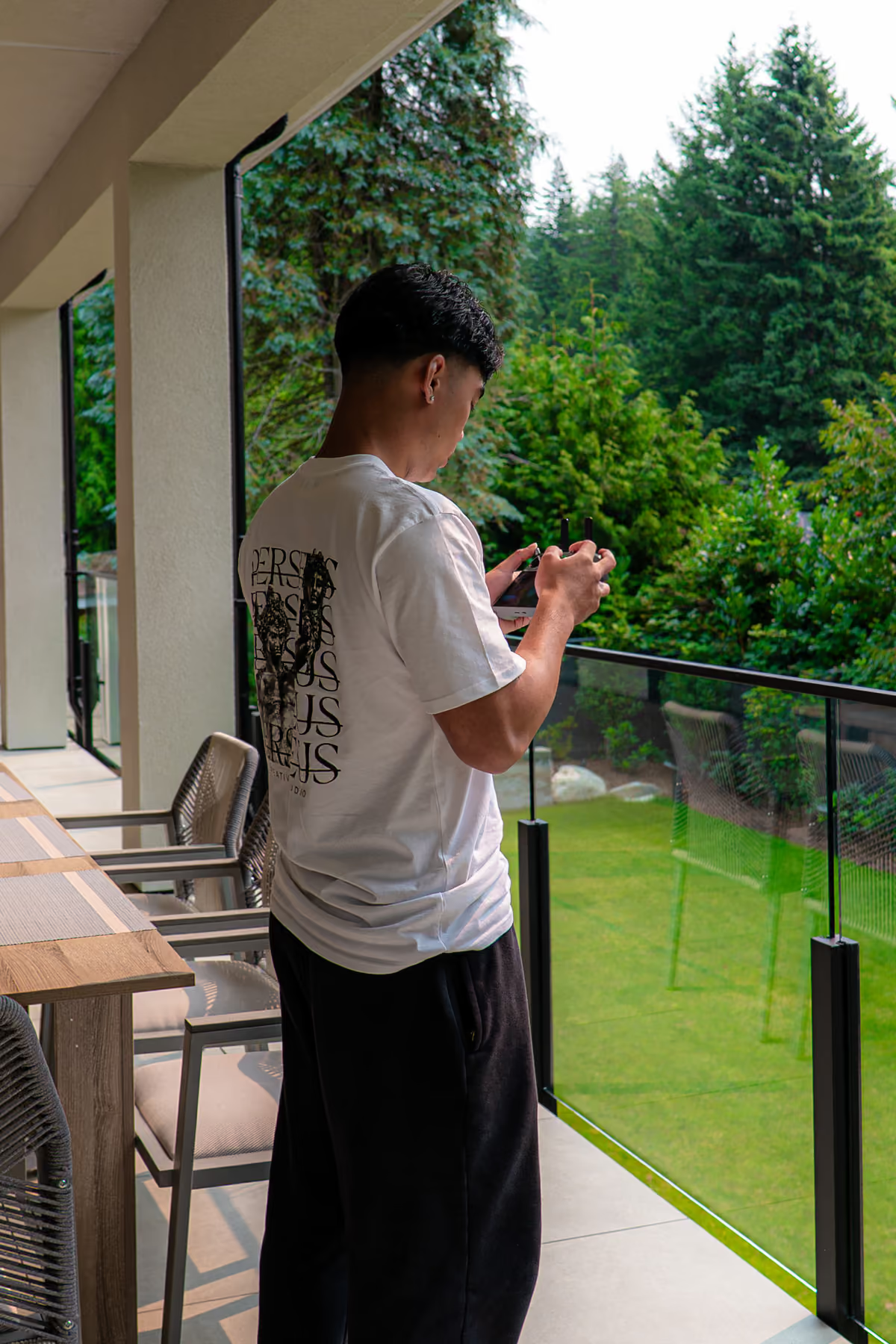
Perseus Creative Studio helps Vancouver real estate agents, brokerages, and property-focused businesses create professional listing media for modern property marketing.
Our work includes photography, videography, editing, and digital content planning. For real estate listings, the goal is not only to capture attractive visuals. The goal is to create media that helps buyers understand the property and helps agents present a stronger marketing standard.
For some listings, that may mean clean, professional photography. For others, it may include videography, aerial production, social media content, Matterport, floorplans, or campaign-ready assets for web and advertising.
The right approach depends on the listing. A downtown Vancouver condo, North Shore view home, Burnaby townhome, and West Vancouver luxury property should not all use the same media strategy.
Explore our real estate photography and videography services, or contact Perseus Creative Studio to plan media for your next Vancouver listing.
Key Takeaway
Choosing the right Vancouver real estate photographer means looking beyond attractive images. Realtors should evaluate portfolio fit, lighting, composition, property experience, turnaround time, communication, deliverables, usage rights, and whether the provider can support broader listing media needs.
The right photographer should make the property easier to understand online and make the agent’s marketing process smoother.
For Vancouver realtors and brokerages, strong photography is not just a listing expense. It is part of the agent’s visible marketing standard.