The Question Behind Every Listing Photography Invoice
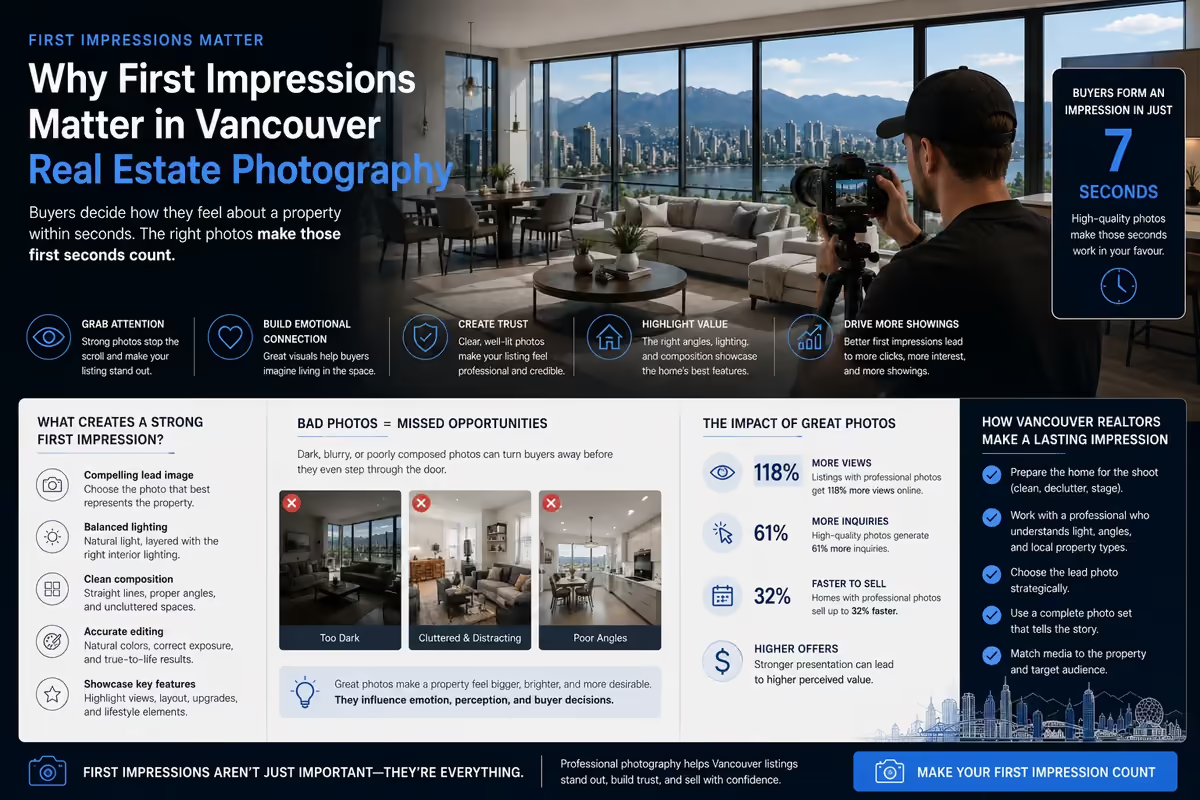
There are two arguments for professional listing photography. One is about perception, and what the first image does to a buyer’s read of a property. That argument is made properly in our guide to first impressions in Vancouver real estate photography, and this post will not repeat it.
This post is about the money.
An agent deciding whether to book a proper shoot is weighing two costs. One is visible: the invoice. The other is not: what the listing gives up by launching with weak images. The second cost is real, it is paid on every listing, and it never arrives as a line item.
Nobody can hand you a return multiple for listing photography. Any figure quoted at you is a guess about someone else’s market. What can be described honestly is where the cost lands, and that is specific enough to decide with.
Quick Answer
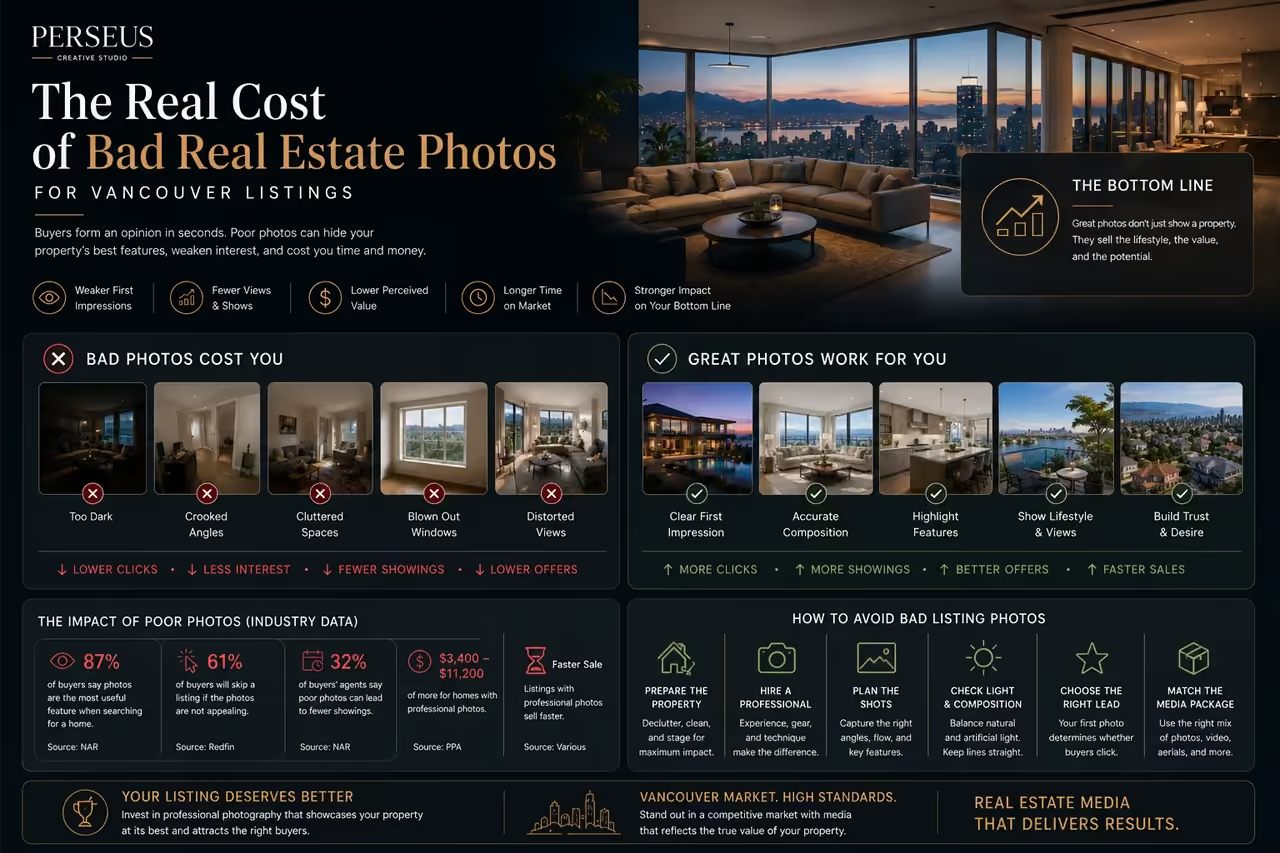
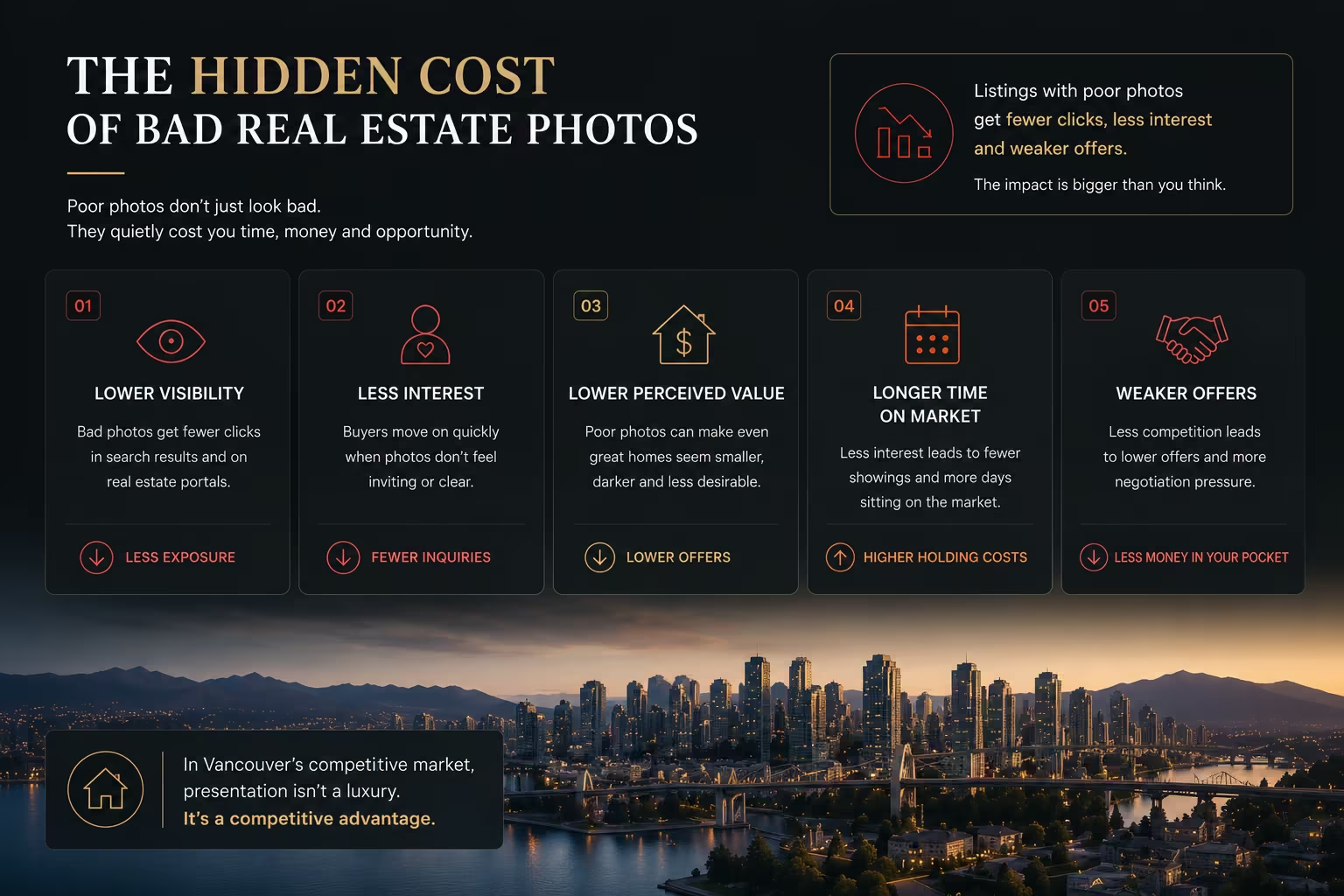
Weak listing photos rarely cost a Vancouver agent one measurable amount. The cost is distributed: less attention inside a narrow comparison set, fewer usable assets from a shoot that was already paid for, re-shoots that pay for the same listing twice, weaker social and paid creative, and a portfolio that needs explaining at the next listing presentation. None of it appears on an invoice.
Start With the Number Photography Cannot Claim
Days on market is the figure agents reach for when they argue about media spend. It is also the figure photography has the weakest claim to.
Days on market moves with pricing, condition, location, seasonality, inventory, interest rates, showing access, strata details, and buyer demand. A listing can have excellent photography and sit. A listing can have mediocre photography and sell in a weekend because the price was right.
Anyone promising that professional photos will shorten your days on market is selling something they cannot deliver.
What photography can fairly be held to is narrower, and more useful:
- Whether the listing earns clicks in a feed of comparable properties
- Whether buyers scroll the full gallery or leave after two images
- Whether saves and shares track with your other listings
- Whether showing requests come from buyers who already understand the layout
- Whether the seller sees a campaign that looks planned
Those are the things weak photos cost you. Watch them across your own listings over several campaigns, rather than expecting a published benchmark to apply to your market.
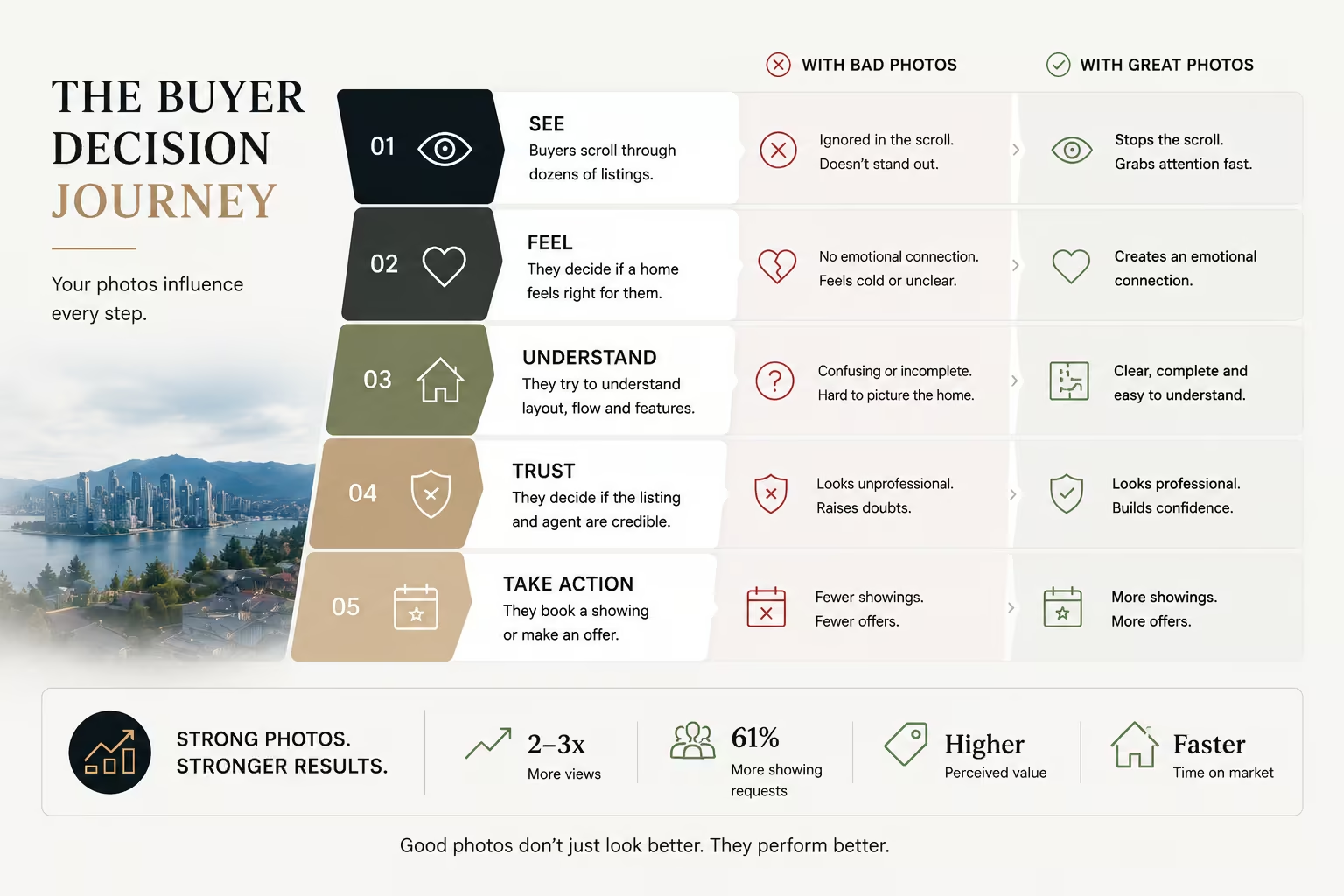
Photography is the presentation layer, not the strategy. Price it, and judge it, as the presentation layer.
You Are Not Competing Against Bad Photos
The cost of weak images is relative, and the comparison is narrower than most agents assume.
A buyer is not comparing your listing against listings in general. They are comparing it against the other properties in the same category, price band, and neighbourhood that are open in the same browser session. That set is small, and in Vancouver much of it is already professionally marketed.
Many agents and brokerages here treat professional photography, videography, aerial production, floor plans, Matterport, and social-ready listing content as standard. Weak photos therefore do not compete against average photos. They compete against finished campaigns.
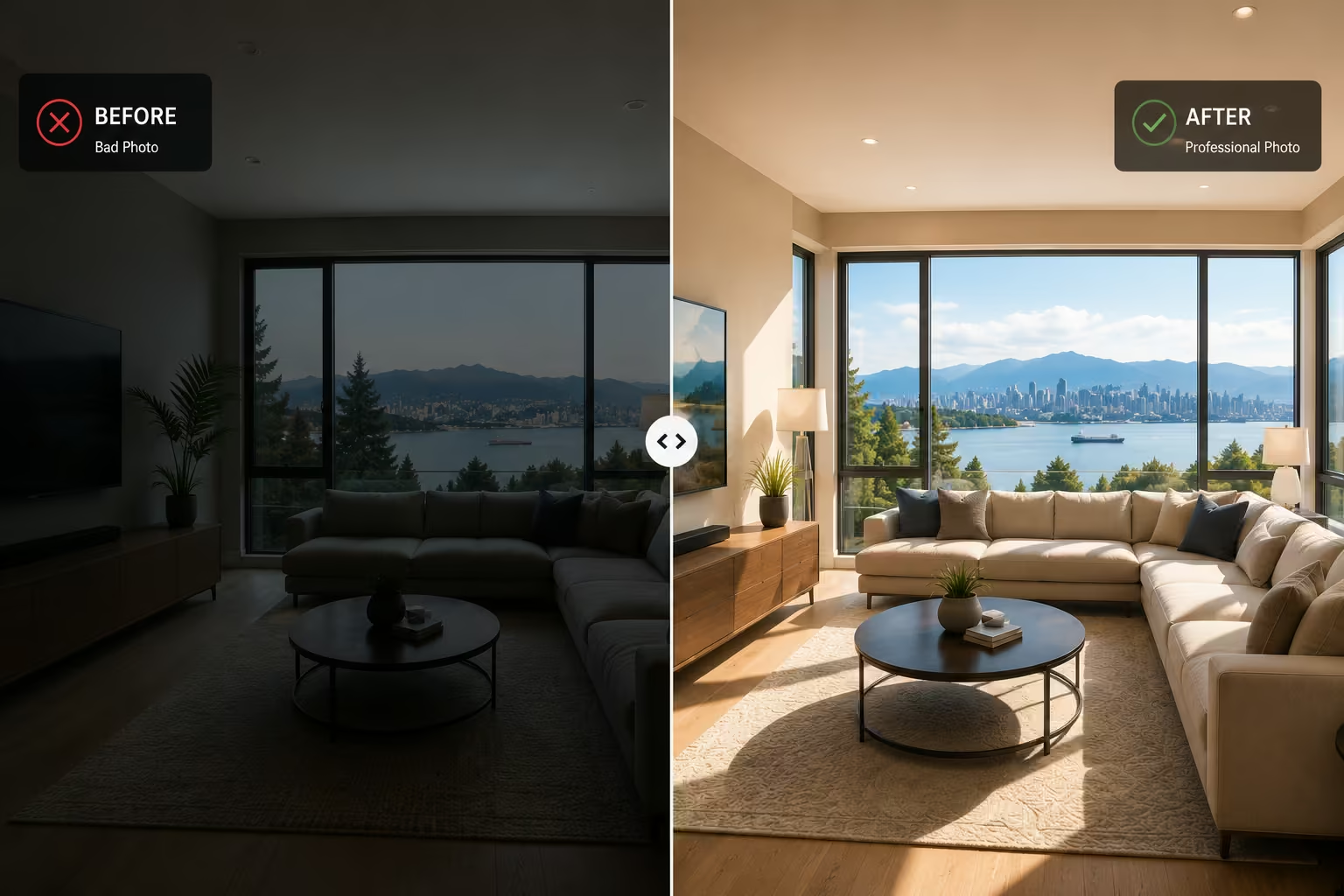
That is the real arithmetic. The cost of cutting the shoot is not the distance between your listing and its best possible version. It is the distance between your listing and the best-marketed property the same buyer is looking at that evening.
The lead image carries most of that distance, because for many buyers it is the only frame they ever see. It deserves a deliberate choice rather than whatever sits first in the folder.
Sellers run the same comparison. They can see how other agents present properties, and they draw conclusions from it before the listing appointment.
The Cost That Never Arrives as an Invoice
The largest costs of weak listing photography are the ones with no bill attached. They surface later, in other budgets.
They show up as:
- A listing card that gets scrolled past
- Social posts with no frame strong enough to lead with
- Paid ad creative that has to work harder for the same result
- An email campaign built on images that fall apart at small size
- A feature sheet that looks thinner than the property
- A re-shoot, which pays for the same listing twice
- A seller conversation about why the campaign feels flat
- A portfolio that needs explaining at the next listing presentation
That last one compounds. Every listing an agent markets becomes evidence at the next pitch, which is the argument for treating photography as a long-term brand asset rather than a per-listing expense. That case is made in our guide on how professional photography supports Vancouver home sales.
None of these are severe on their own. They accumulate quietly, on every listing, for as long as the standard stays where it is.
Cost Per Asset Is the Number Worth Calculating
The useful way to price a shoot is not per listing. It is per usable asset.
One production window produces a library. The same images can carry:
- MLS gallery
- Agent website
- Brokerage website
- Property landing page
- Instagram carousel
- Facebook listing post
- Email campaign
- Open house reminder
- Seller presentation
- Paid ad creative
- Printed feature sheet
- Portfolio and case study use
Divide the cost of a good shoot across that list and the number per asset gets small. Divide the cost of a weak shoot across the handful of frames that are actually usable and it gets large, because the call-out costs the same either way. The variable is not what you paid. It is how many images survive contact with a real campaign.
Two things drive cost per asset up more than anything else.
The first is a gallery that only works at full size. Nothing reads on a phone, nothing crops to vertical, nothing is clean enough for an ad. Ask for the crops up front, so the assets exist before the campaign needs them.
The second is the re-shoot. A second call-out for a property that has already been photographed once is the clearest cost in this entire discussion, and it usually lands after the launch window has passed, when the images matter least.
Google’s image SEO guidance explains that images are better understood when supported by relevant surrounding text, descriptive filenames, titles, and alt text. On an agent website or a property page, that is one more place a strong gallery keeps paying: the same files work harder when the page around them is built properly.
The Canadian Real Estate Association has written about how much of the Canadian property conversation now happens on online and social platforms. That is where the assets end up. A shoot planned only around the MLS gallery is undercounted at the planning stage and expensive in practice.
Where the Cost Is Highest, and Where It Is Not
The cost of weak photography is not the same on every listing, and pretending otherwise is how media budgets get spent in the wrong places.
The cost runs highest when:
- The category is crowded and comparable units launch in the same week
- The property’s value sits in things a photo has to carry: light, view, outdoor space, a recent renovation
- Buyers are shortlisting remotely before a weekend of showings
- The price band puts the listing beside consistently well-marketed competition
- The layout needs explaining, so the gallery is doing comprehension work as well as attention work
The cost runs lower when the property has little direct competition, when it will trade on land or location almost regardless of presentation, or when the buyer pool is small enough that everyone in it will see the property in person anyway.
Most listings sit somewhere between. The practical move is to spend where the images have to do the most work, rather than applying one package to every property and calling it a standard.
Video Is Not a Cheaper Substitute for Stills
Some agents try to solve a thin photo budget by adding video instead. It is the wrong trade.
Photos and video do different jobs. Photography is what buyers scan and compare, most platforms lead with still images, and social campaigns still need strong thumbnails. Video shows flow, pacing, and atmosphere.
Spending on video while the gallery stays weak means paying for the second job and leaving the first one undone.
For a full comparison of what each format is for, read our guide on real estate photography vs videography for Vancouver listings.
Where the Fixes Actually Live
Most of what makes a gallery weak is technical, and each of those problems has a guide of its own:
- Lighting drives how a room reads more than any other factor, and Vancouver’s overcast light, shaded streets, and mixed interior bulbs make it harder than it looks. See real estate photography lighting for Vancouver listings.
- Composition decides whether a buyer can understand a room at a glance. See real estate photo composition tips for Vancouver listings.
- A complete gallery covers exterior and entry, main living areas, kitchen, bedrooms, bathrooms, flex space, outdoor areas, and views, in a sequence a buyer can follow without effort.
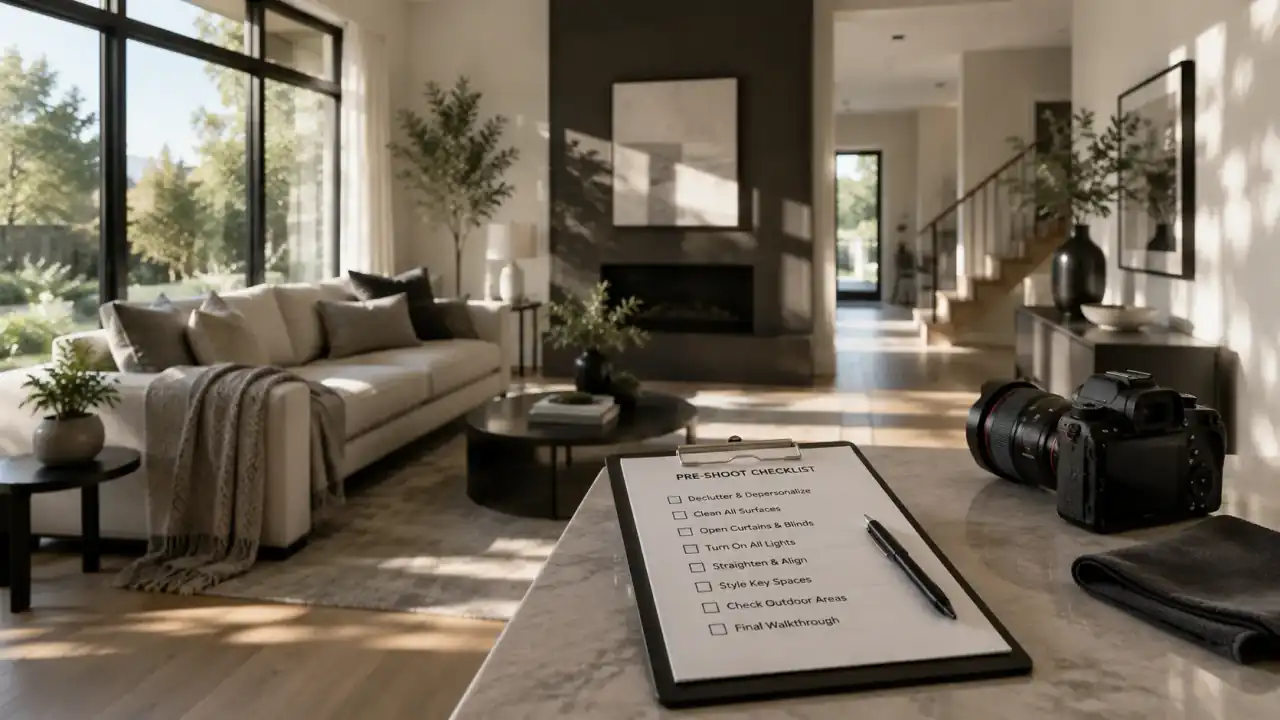
- Most avoidable problems are settled before the shoot, in preparation and access. See how to prepare a Vancouver home for real estate photography.
- Which assets a property actually needs is a planning question of its own. See the best real estate media for Vancouver homes in 2026.
None of these are expensive to get right. They are expensive to get wrong.
How Perseus Creative Studio Helps Vancouver Realtors Plan Listing Media Spend
Perseus Creative Studio helps Vancouver real estate agents, brokerages, and property-focused businesses plan listing media around what the property and the campaign actually need.
Our work includes photography, videography, aerial production, 2D floor plans, 3D models, Matterport, and campaign-ready visual content. The planning conversation starts with the channels: what the listing has to feed, which frames those channels need, and which crops have to exist on delivery.
For some listings, professional photography and a clear floor plan cover it. For others, video, aerials, or social content earn their place because the property has something a still frame cannot carry.
The goal is not to produce more. It is to make sure nothing has to be paid for twice.
Explore our real estate photography and listing media services, view our real estate media projects, or contact Perseus Creative Studio to plan the media for your next Vancouver listing.
Key Takeaway
Weak listing photos do not produce one bill. They produce a series of small costs: lost attention inside a narrow comparison set, fewer usable assets from a shoot already paid for, re-shoots, weaker social and paid creative, and a portfolio that needs explaining later.
Photography cannot be held responsible for days on market, and nobody should claim otherwise. It can be held responsible for how many usable assets a listing produces and how the property reads against the listings beside it.
Judge the spend on cost per usable asset. The decision usually answers itself.