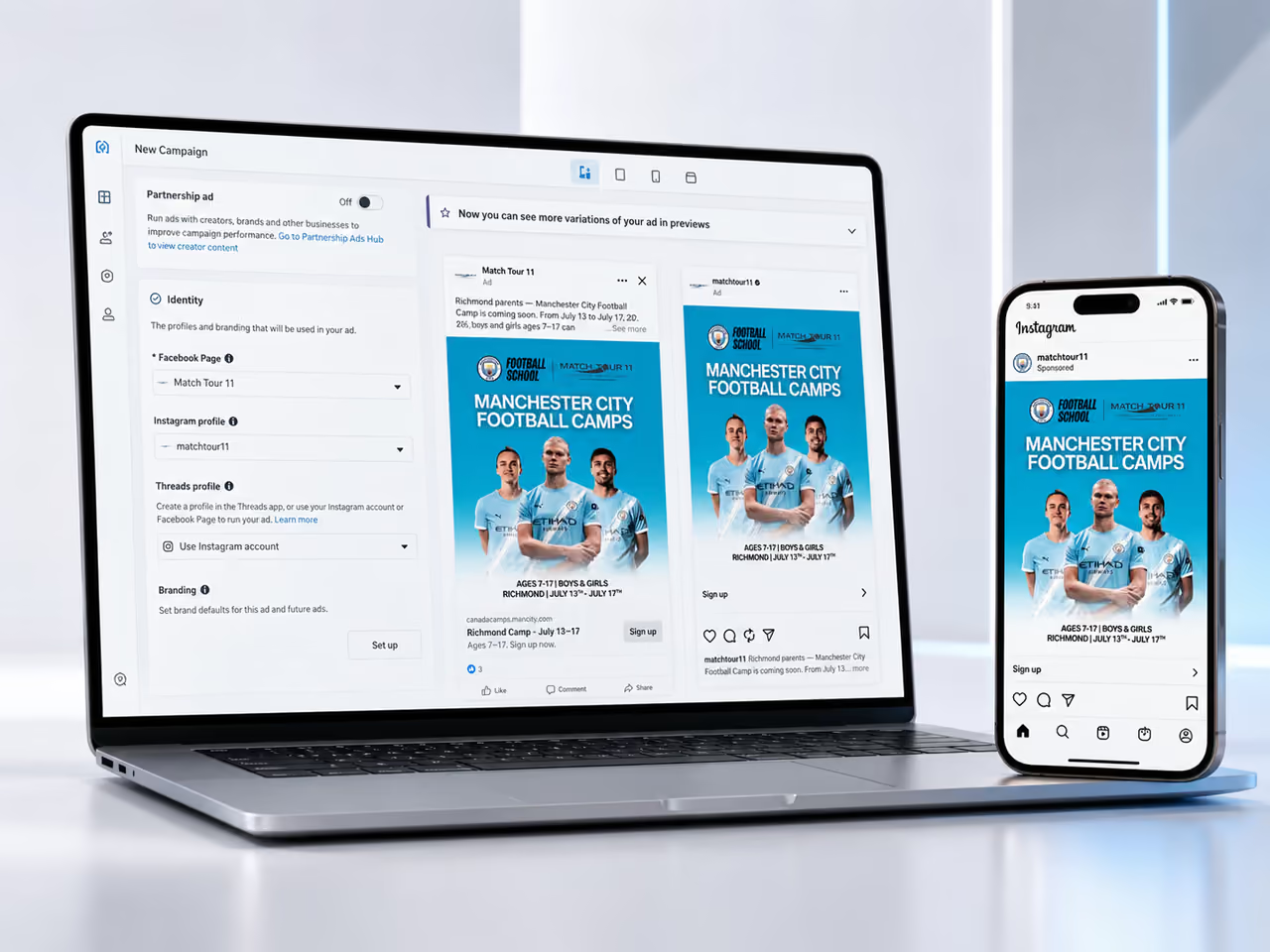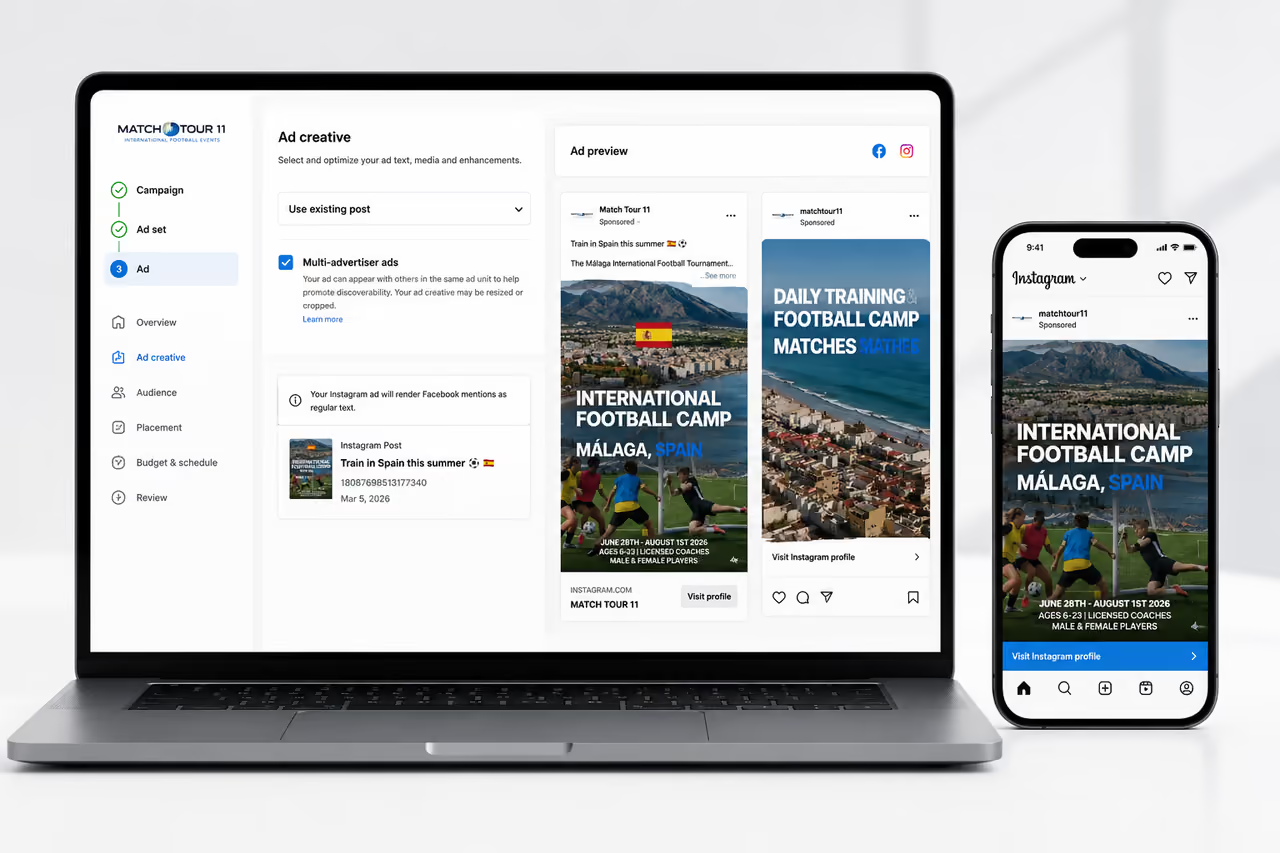
hen Match Tour 11 prepared to bring Manchester City football camps to British Columbia, the marketing task was clear: help fill six camp sessions across West Vancouver, Kelowna, and Richmond.
There were approximately 380 places available. Families needed to understand the opportunity, choose a relevant session, and find a clear path to registration.
Perseus supported the project across paid advertising, web and registration, creative production, event branding, print, photography, and video. By the end of the campaign, more than 360 places were filled, and five of the six camps had sold out.
This sports event marketing case study looks at how those parts supported the project, from promoting the camps to creating content for future campaigns.
The Challenge
Promoting six sessions across three cities meant giving families enough detail to make a decision while maintaining a consistent identity across the campaign.
The work had two priorities: support registrations for the upcoming camps and create branding and content that could remain useful to Match Tour 11 afterwards.
Launching Six Camps Across British Columbia
The camps took place in West Vancouver, Kelowna, and Richmond. For prospective participants and parents, location was part of the decision: they needed to know which session was relevant to them before signing up.
For the campaign, this created a need to balance shared messaging with session-specific information. Geography, availability, and registration progress all mattered alongside the creative used to introduce the camps.
The practical challenge was to make a multi-location program easy to understand without losing the connection between the individual sessions.
Connecting Promotion and Registration
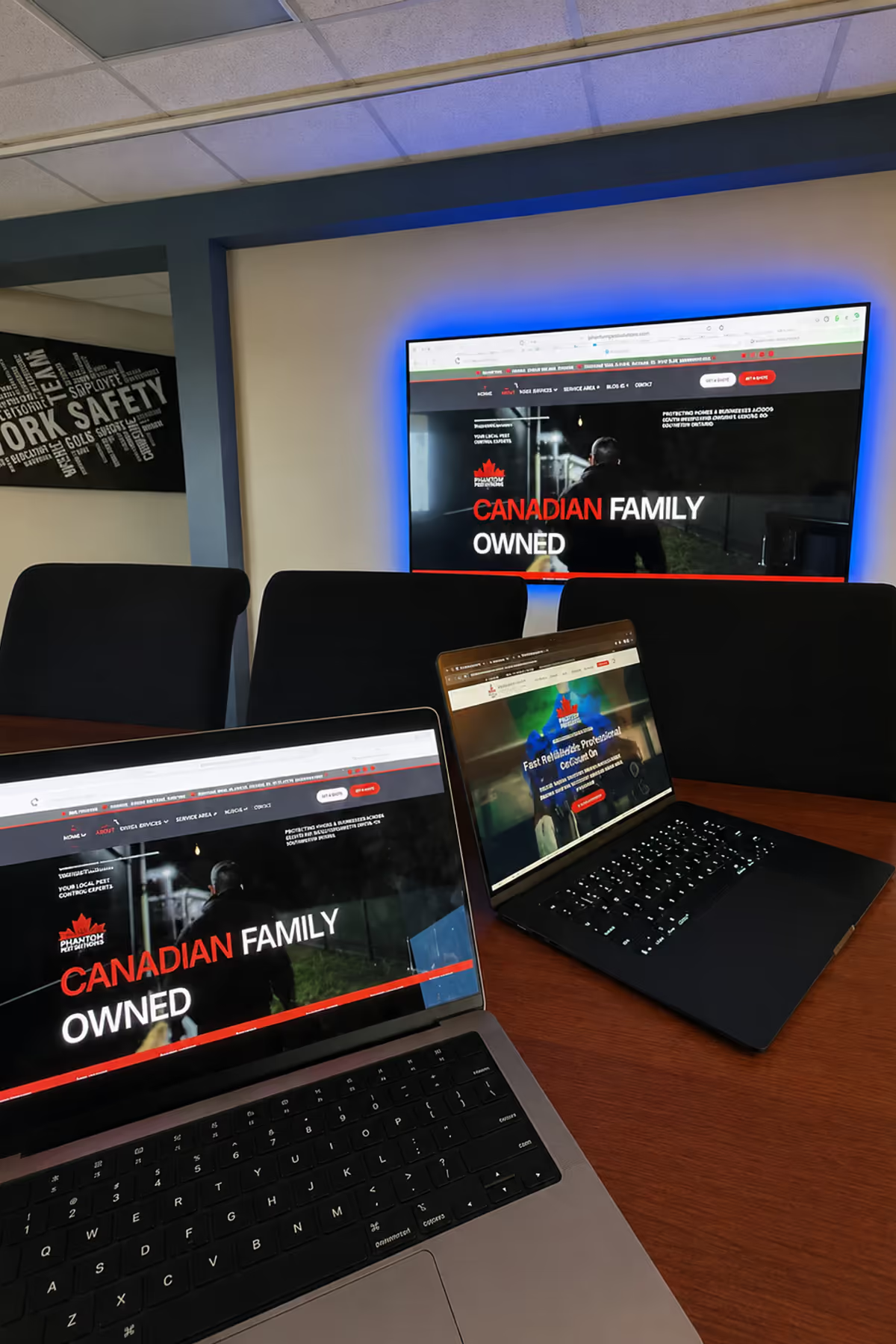
An ad could introduce the camps, but families still needed information before committing. The website and campaign pages supported that next step.
The advertising and registration experience needed to work together: visitors arriving from a campaign should be able to understand the offer and continue toward signup without unnecessary friction.
That made the website part of the marketing process. Its role was to help turn initial interest into an informed registration decision.
The Campaign
Perseus brought digital promotion, campaign creative, the web experience, and physical event branding into the same project.
Each element served a different stage of the participant journey:
- Discovery: paid media and creative introduced the camp opportunity.
- Consideration and registration: the website helped families understand the offering and move toward signup.
- Attendance: branding and print carried the campaign identity into the camp environment.
- Future promotion: photography and video documented the experience for later marketing use.
Paid Media and Creative
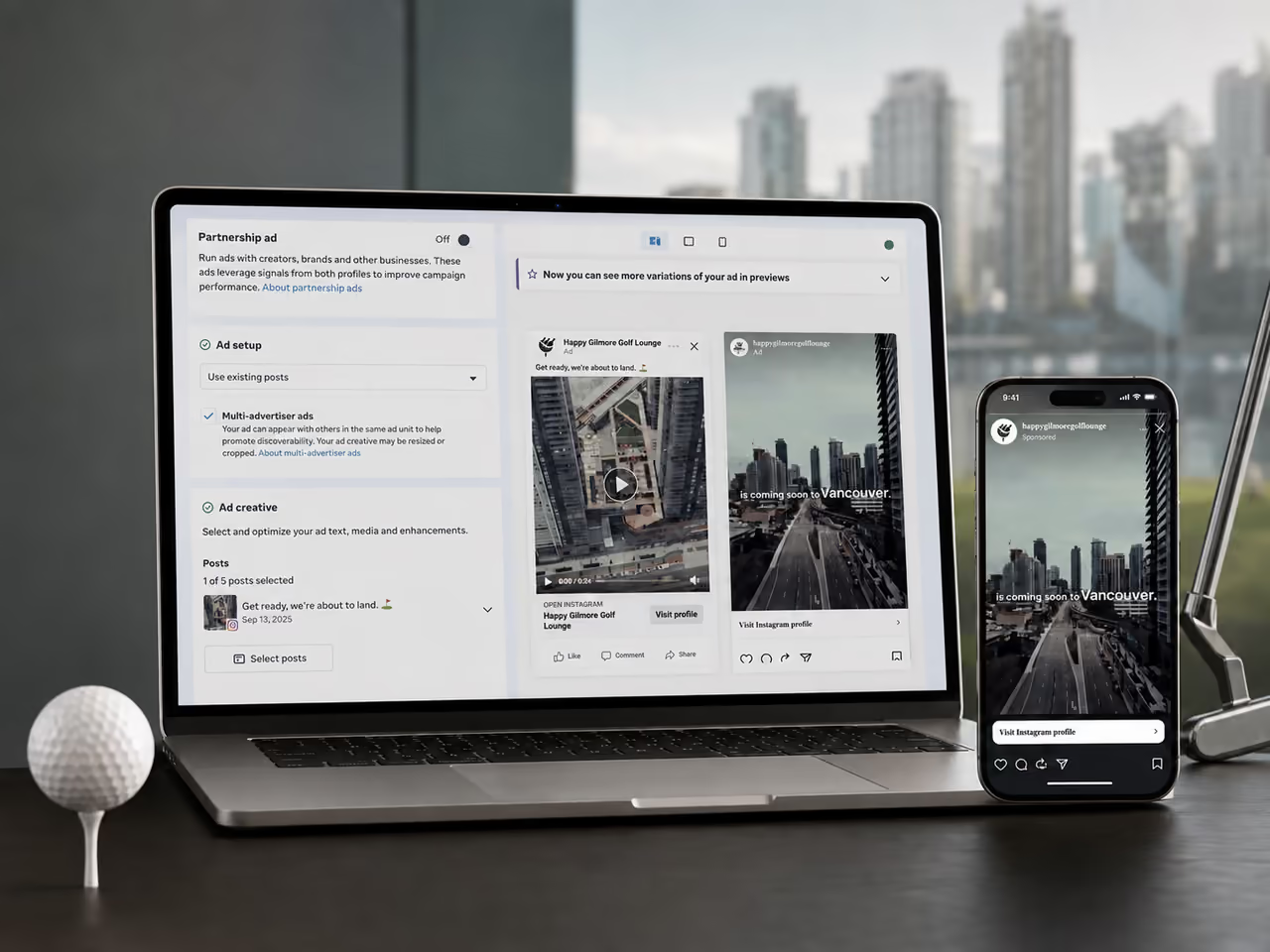
Paid media supported awareness and registrations, with digital creative adapted as the launch progressed.
For a camp campaign, the information people need can change during the registration window. Early messages may introduce the opportunity; later messages can focus on locations, deadlines, availability, or remaining spaces.
Adapting creative gave the team flexibility as the campaign developed. The aim was to keep promotion relevant to the registration decision.
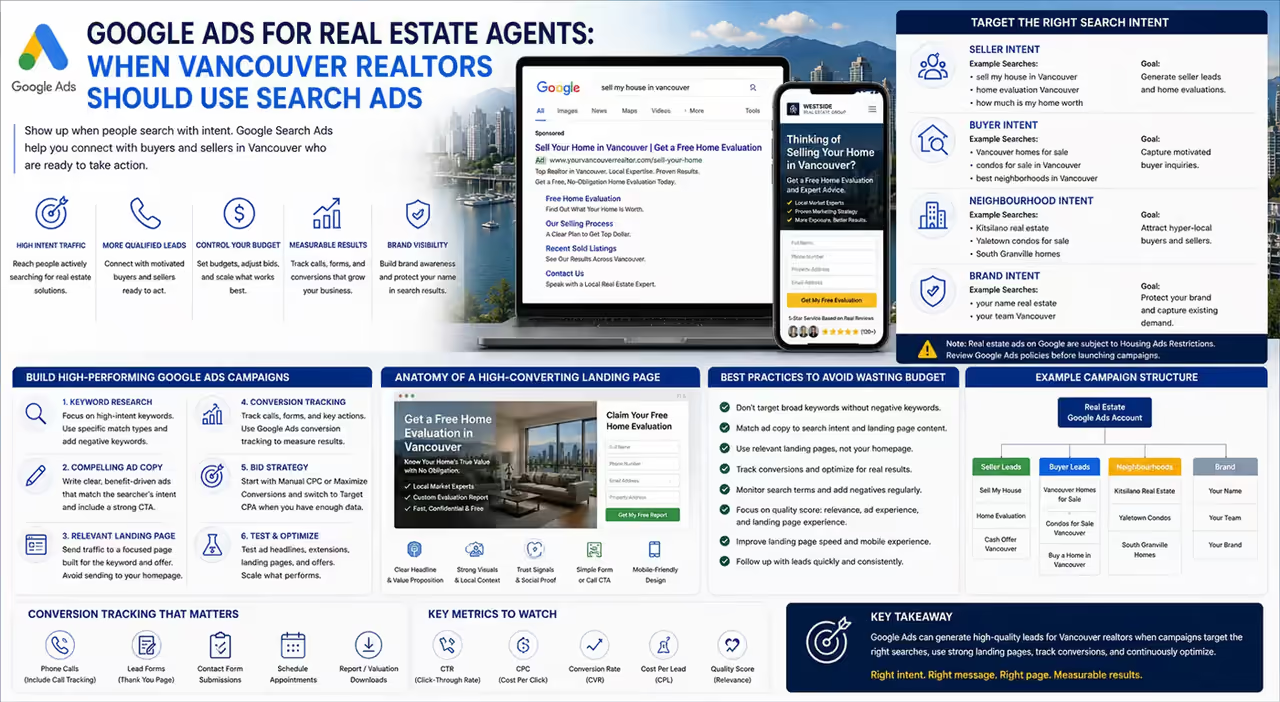
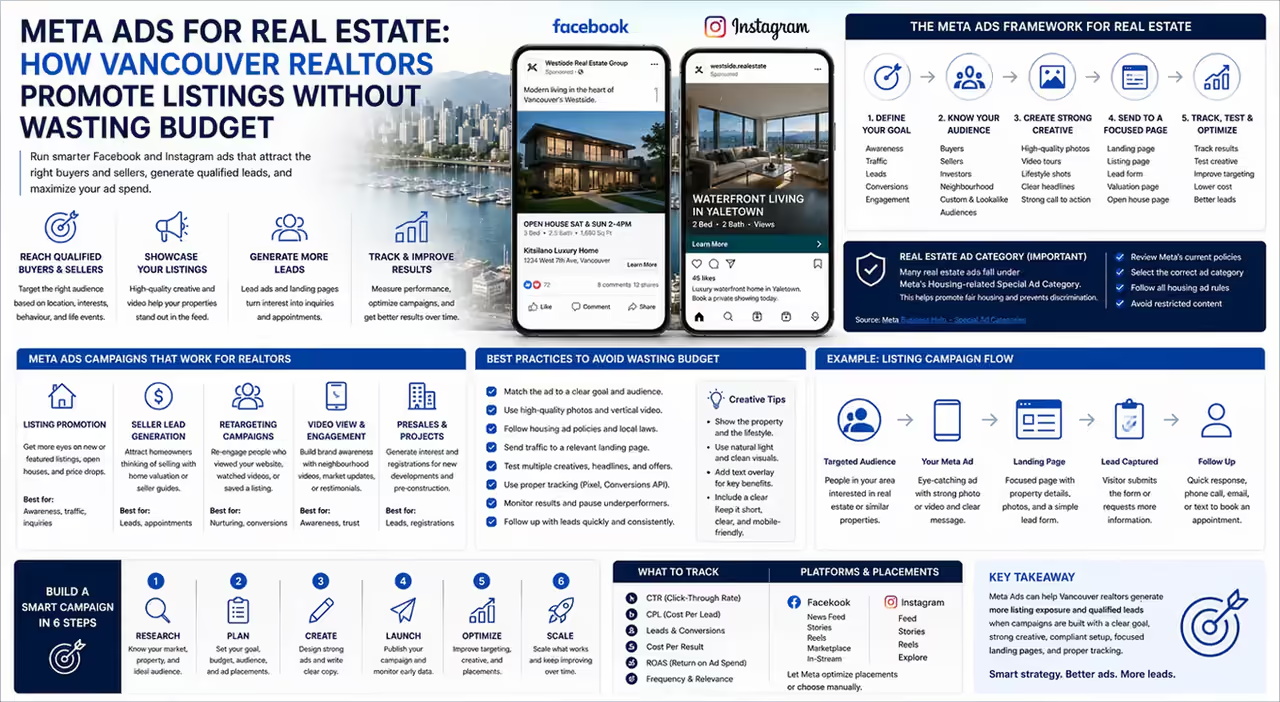
Perseus’ approach to Meta Ads campaigns brings strategy, audience targeting, creative, and measurement together, with an emphasis on meaningful actions such as registrations.
Website and Landing Page
The campaign website gave families a place to learn about the camps and move toward registration.
For this type of event, a conversion-focused landing page should help visitors answer the questions that stand between interest and signup:
- What does the camp offer?
- Who is the program designed for?
- Where and when does each session take place?
- What will participants receive?
- How does registration work?
- What is the next step?
Keeping those answers easy to find helps families assess the offer. It also creates continuity between the message that brought them to the site and the action they are considering.
Event Branding and Print
Event branding and printed materials extended the campaign into the physical camp environment.
These touchpoints helped connect what participants had seen online with the experience on the field. They also became part of the photographs and video captured during the camps.
That gave the branding a second purpose: supporting a consistent event identity while strengthening the visual material available for future promotion.
Camp Content Production
Once the camps began, production focused on capturing the experience. The objective extended beyond a recap: create original media that Match Tour 11 could use after the sessions ended.
This content had a different role from the registration campaign. It documented the camps and provided material for subsequent social content, advertising, and event promotion.
Photography and Video Coverage
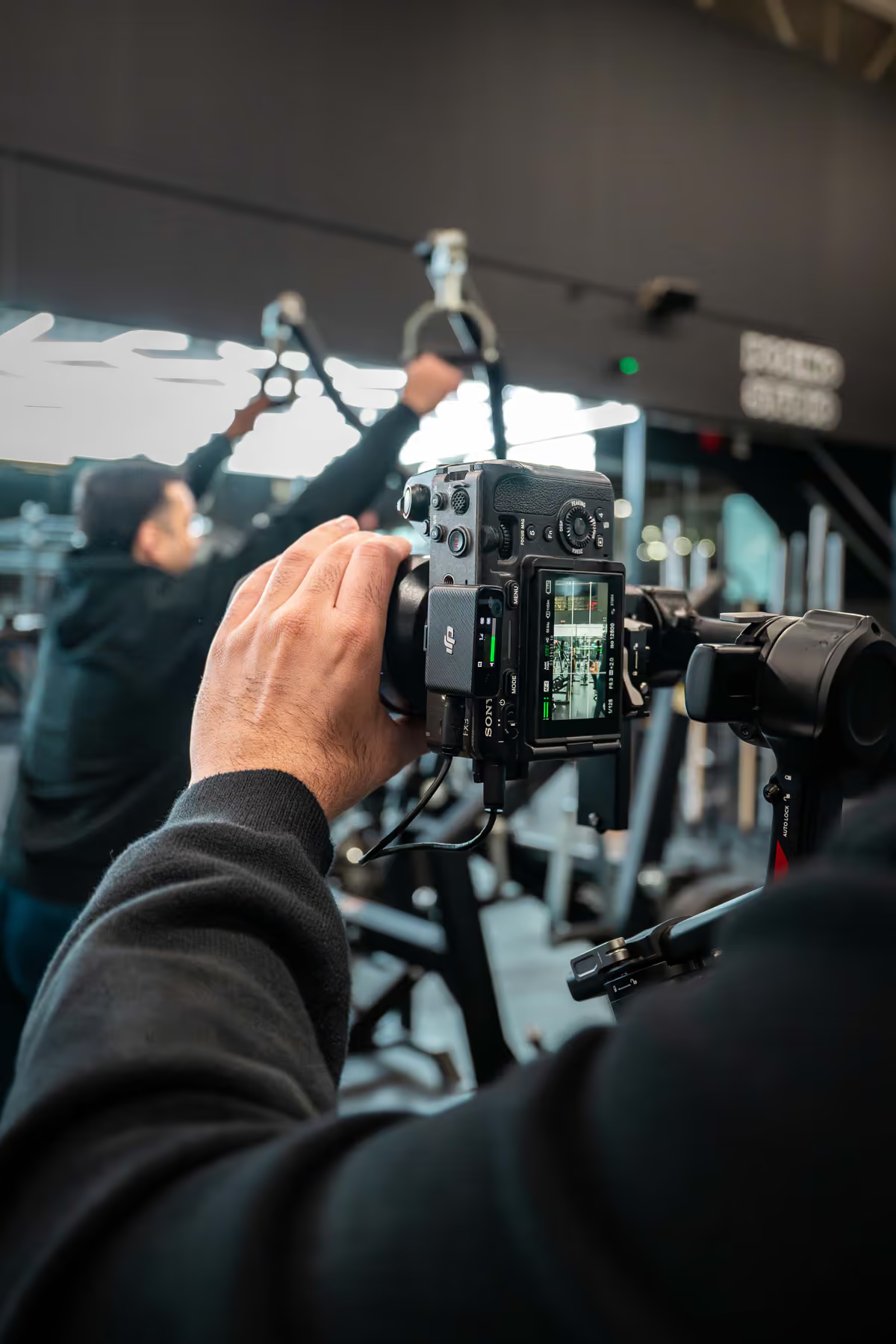
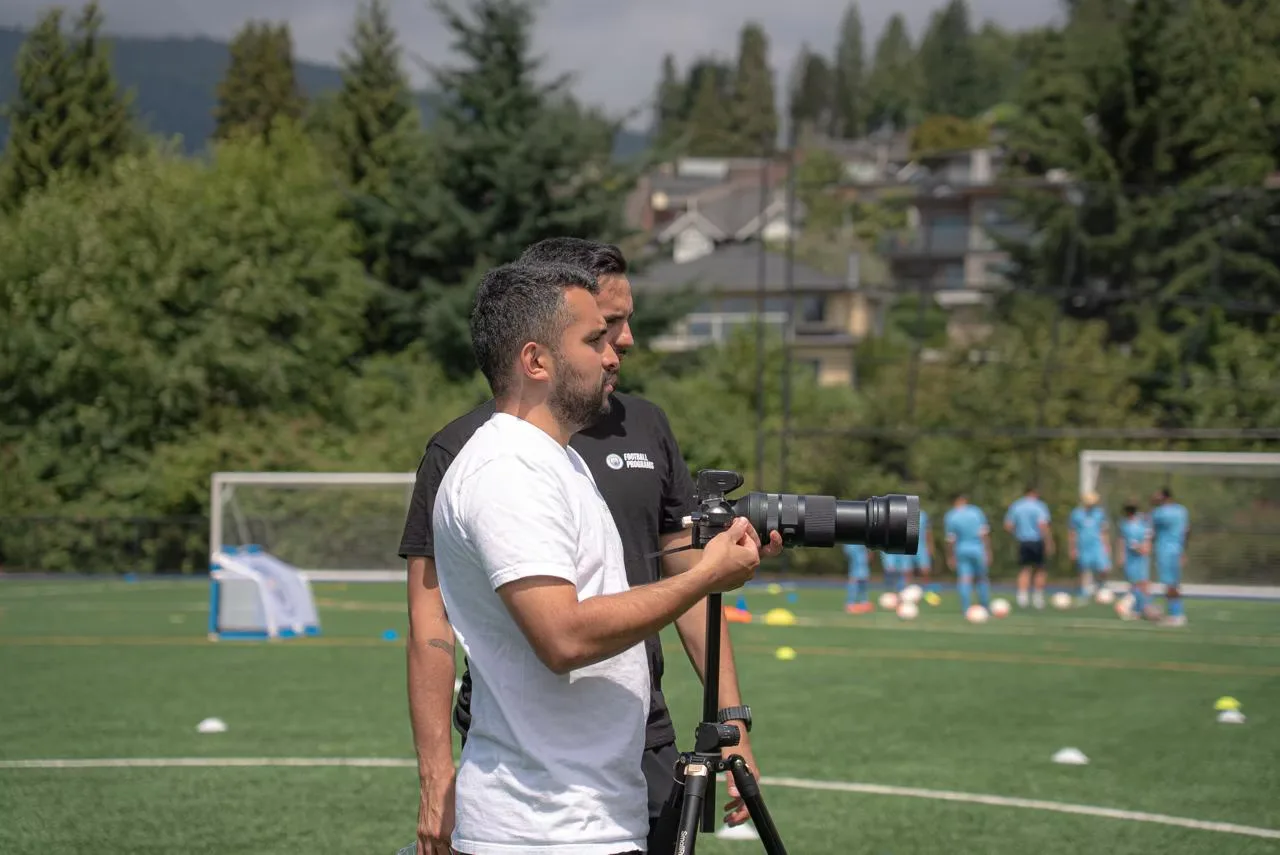
Perseus captured players, coaches, training sessions, atmosphere, branding, and the wider camp experience throughout the camp days.
Planning event videography before an event helps production teams consider future uses, including short-form video, advertising, website content, and social media.
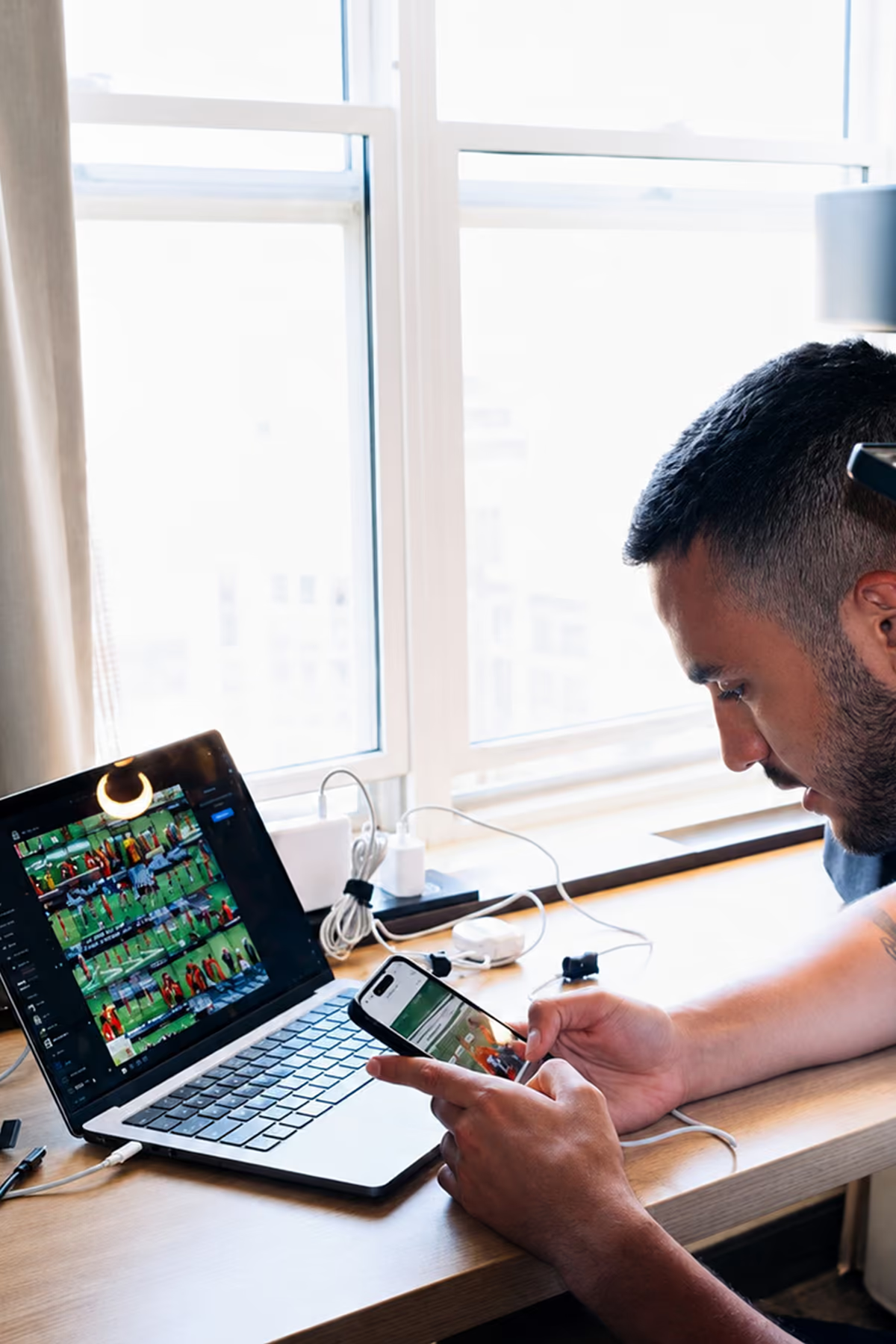
The same principle applies to event photography and brand photography. Still images can document the day and provide assets for campaign pages, announcements, social posts, and future advertising.
The useful question during planning is where the footage and images will need to work after the event.
Assets for Future Campaigns
Future content needs are easier to address when they are considered before production begins. Waiting until the event is underway can leave teams without the formats or specific shots they need later.
A sports camp can potentially supply material for:
- Event recap videos and vertical social clips
- Paid advertising creative and future registration campaigns
- Participant and coach imagery
- Website photography
- Location-specific promotion
- Behind-the-scenes content
- Announcements for upcoming camps
For Match Tour 11, the camps created an original media library intended to support social content, advertising, and future event promotion. Its value was in giving the team material to work with beyond the immediate event window.
The Results
Across the six Manchester City football camp sessions in British Columbia, more than 360 of approximately 380 available places were filled. Five of the six sessions sold out.
These are the overall registration outcomes reported for the project. They show participation across the camps; they do not, on their own, establish how many registrations came from each marketing channel.
More Than 360 Places Filled
More than 360 filled places represented strong participation across the six sessions.
Paid advertising and the web experience supported the path from awareness to registration. Branding, photography, and video served the event experience and subsequent marketing needs.
Those contributions belong to different stages of the project. Distinguishing them makes the result more useful than treating every deliverable as a direct source of registrations.
Five of Six Camps Sold Out
Five sold-out sessions provided another clear measure of the event’s registration performance.
For registration-based sports events, capacity filled and completed registrations should sit alongside campaign metrics. Reach, impressions, clicks, video views, and engagement can help explain audience response, but organizers also need to know whether places are filling.
In this case, participation and session capacity are the clearest reported outcomes.
The Value of a Connected Approach
Sports events can involve advertising partners, web providers, designers, printers, photographers, and video teams. Coordination matters because their work meets at the same event.
An advertising message needs an appropriate destination page. Physical branding becomes part of the production environment. The production plan needs to account for the content required after the event.
For the Manchester City camps, Perseus supported these areas within one project. The practical value of that approach was connecting the work across stages, so promotion, registration, event presentation, and future content served a shared purpose.
For organizers planning camps, tournaments, clinics, or other registration-based programs, the lesson is to define those connections early.
Turning One Event Into the Next Marketing Opportunity
The project left Match Tour 11 with two outcomes: more than 360 filled places across six camp sessions and an original content library for future marketing use.
Registrations addressed the immediate event objective. The photographs and video created material that could help introduce subsequent programs and show prospective participants what the camp experience looks like.
Planning a sports camp, tournament, or clinic? Start by connecting the registration goal with the advertising, website, event branding, and content you will need. Perseus can help bring those pieces together, from the first campaign message to the assets available after the event.
Frequently Asked Questions
When Should Sports Event Content Be Planned?
Plan content before the event begins. During pre-production, identify the required photos, video formats, key moments, branding shots, campaign assets, and future uses. This gives the production team a clear brief for what to capture.
How Can Camp Content Be Used After the Event?
Camp photography and video can support recap videos, social media, website pages, email marketing, sponsorship materials, paid ads, and future registration campaigns. Planning for multiple formats helps the same event provide useful material for different channels.
What Metrics Should Sports Event Organizers Track?
For registration-based events, track completed registrations, capacity filled, landing-page conversion rate, ad spend, and cost per registration. Where measurement allows, assess each channel’s contribution. Keep total event registrations separate from registrations attributed to individual campaigns.